Imagine the apps you’ve got on your phone. Consider the apps you use every day without even realizing the triggers for habit loops. Your thumb knows which button to click. Behind the simple second-nature interaction, there’s a lot of deliberate human psychology and deeply technical engineering. The modern-day user has a zero-tolerance policy for digital friction. If an app’s display lags for any fraction of one second or takes a long time to load on weak cellular data, or fails to display a notification, it gets erased within minutes. For those with funds and growth-oriented enterprises, the stakes could not be more high. It’s more than just an attractive page or smooth surface to introduce a digital product. It requires a long-term partnership with a top mobile app development company that is designed to ensure human engagement as early as the first week of production.
Navigating the Constantly Shifting Ecosystem Rules
Mobile engineering can be more challenging than traditional web development as you’re basically working on shifting sand. Every single autumn, Apple rolls out a new operating system update, introducing stricter privacy manifests, retiring legacy code structures, and changing the app store review process. Google has its own timeline. It continually alters the way notifications function and how background processes affect the battery of phones. If your team doesn’t keep in mind these continually changing guidelines, it could result in your app breaking rapidly, resulting in poor feedback and a malfunctioning feature. This is precisely why businesses must intentionally hire mobile app developers who see their work as an ongoing development cycle, not a singular coding sprint. It is the duty of release engineering to make sure that automated shipping systems remain active and secure throughout every update to the operating system.
The Native Experiences at the Crossroads
When constructing a brand new mobile-friendly roadmap, developers must always reach a decision point: how the code interacts with physical hardware. The decision to use committed iOS app developers gives teams unlimited access to Apple’s most recent native frameworks. This enables them to create smooth animations with deep connections to features such as HealthKit and biometric security. A targeted Android application will guarantee that your app is built to work with the vast variety of screen sizes, processing capabilities and different types of devices available on the market. Native architectures are the ideal option when your business relies on a significant amount of devices. This includes, for instance, connecting with Bluetooth accessories that have low latency, capturing precise real-time locations, or providing effortless checkouts using native billing.
Accelerating Production Timelines with Cross-Platform Engineering
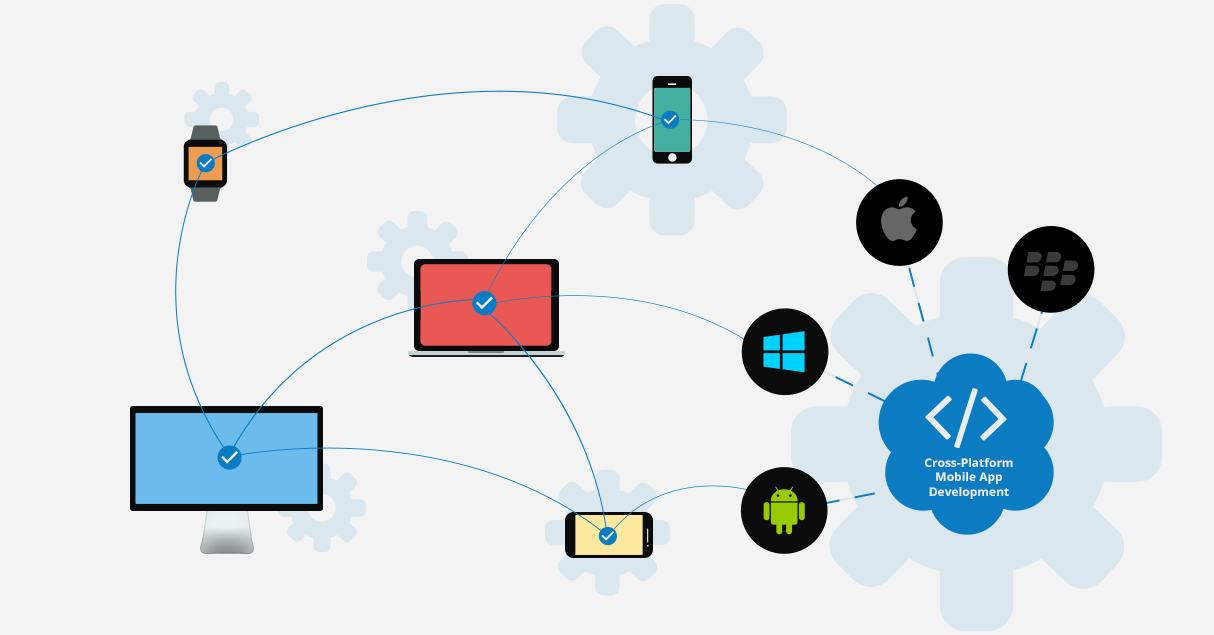
For many organizations that are growing rapidly, funding constraints and competitive pressures mean that launching across two operating systems at the same time can place an immense strain on resources. Selecting a top cross-platform application development strategy can solve this issue by allowing an integrated development team to develop and test an identical codebase that works smoothly on both platforms. This method of hybridization allows businesses to gain real-time feedback from users at a fractional cost. This also cuts down the standard launch time by months. By choosing a specialized Flutter app development company, brands can build highly stylized, pixel-perfect interfaces that maintain absolute visual consistency across different devices. When backed by a strong base of automated testing and powerful background data syncing this cross-platform approach delivers the perfect balance between speedy market entry and high-performance execution.
The art of creating sustainable long-term user engagement
In the end, the effectiveness of a mobile-based launch will be evaluated by long-term, sustainable users’ habits, not short-term spikes in downloads. The best mobile architecture builds important behavioral triggers in the tech stack, making sure that onboarding flow functions are beneficial within the first 60 seconds and that local data is cached effortlessly during sudden drops in cellular, and that notification systems respect the users’ focus. It doesn’t matter if your team wants to ship an agile minimum viable product in order to prove your market fit, or deploying a massive enterprise system that demands strict compliance with data and data compliance, the fundamental goal remains the same. Digital Heroes will help you build a strong digital asset by adhering to a rhythm of engineering that is well-organized and predictable while respecting the users’ time and performance of the device.